

Colletes bhutanicus: Rare Himalayan Bee Recorded in India for the First Time
Why in News?
The rare Himalayan bee Colletes bhutanicus was recorded in India for the first time in Tawang district of Arunachal Pradesh on 12 August 2026. Scientists from the Zoological Survey of India (ZSI) documented the species during surveys in the Eastern Himalayas.
The Indian record expands the known geographical range of the species beyond Bhutan and China. Researchers found the bee at high elevations between 1,500 and 3,800 metres.
Colletes bhutanicus: Taxonomy and Characteristics
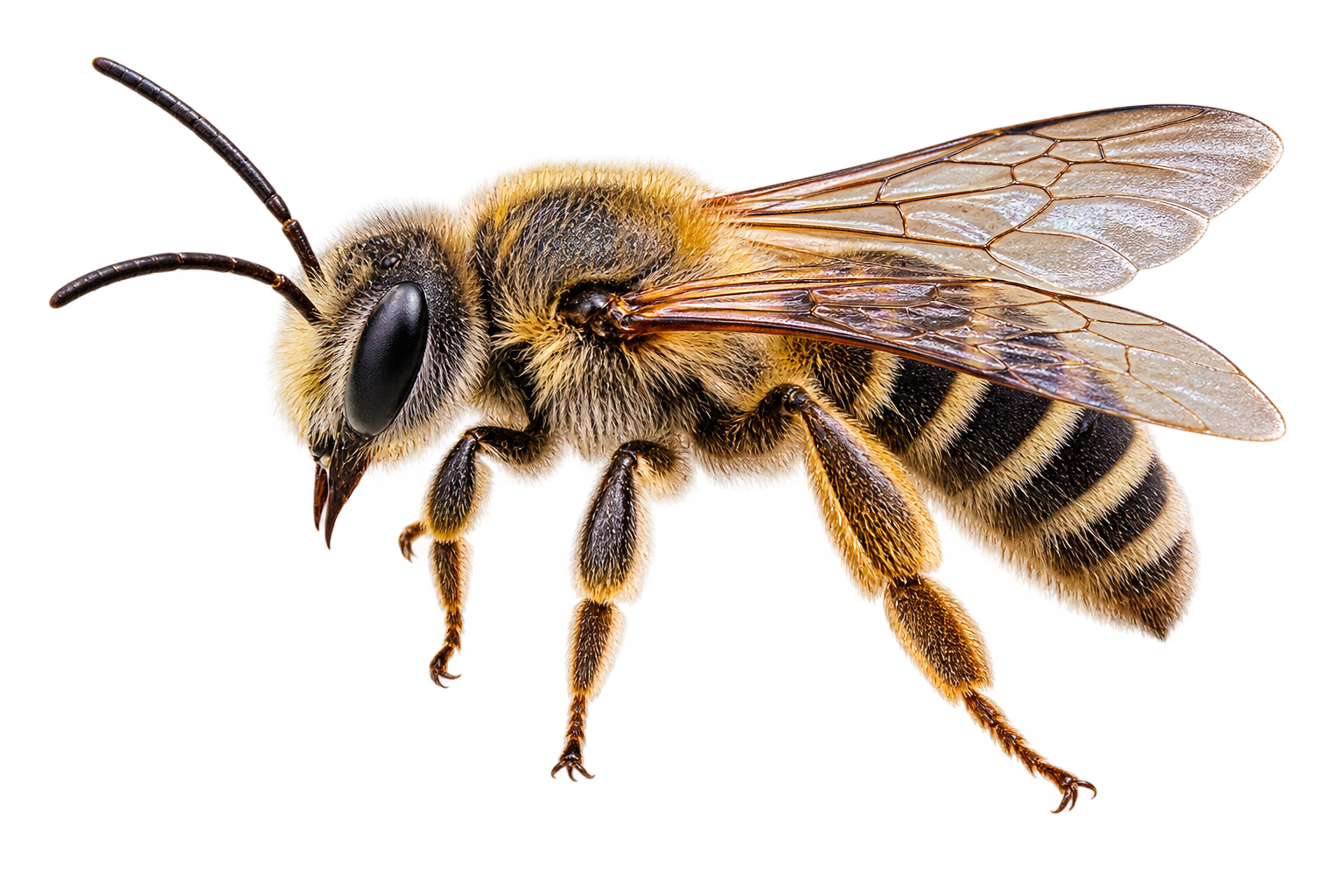
Colletes bhutanicus is a solitary bee belonging to the genus Colletes. It is commonly associated with the group known as plasterer bees.
Unlike honeybees, solitary bees do not establish large eusocial colonies. Individual females generally construct and maintain their own nests. This nesting behaviour distinguishes them from highly social bees that live in organised colonies.
The species was first described from Bhutan in 2003. Later records documented its presence in high-altitude regions of China, including the Xizang region.
Distribution and Habitat
Scientists recorded Colletes bhutanicus in Tawang, a high-altitude Himalayan region of Arunachal Pradesh. Field surveys conducted between 2019 and 2022 found the species at elevations ranging from 1,500 to 3,800 metres.
Its presence in India adds an important new locality to its previously known distribution. The finding also highlights the ecological importance of the Eastern Himalayan biodiversity region, which supports numerous specialised mountain species.
High-altitude Himalayan ecosystems face pressures from habitat alteration, climate variability, and changes in vegetation. Documenting their pollinator diversity can therefore support future ecological monitoring and conservation research.
Pollination and Ecological Importance
The bee has been observed visiting 25 flowering plant species belonging to 10 botanical families. Its recorded floral associations include economically important crops such as mustard, buckwheat, coriander, beans, chilli, and eggplant.
The species functions as a generalist pollinator, meaning it can visit flowers belonging to multiple plant species. Such pollinators contribute to the reproduction of both wild plants and agricultural crops.
The discovery therefore has significance beyond taxonomy. It provides evidence of the diverse pollinator communities supporting Himalayan ecosystems and mountain agriculture.
Colletes bhutanicus: Related Information
The first Indian record of Colletes bhutanicus was published in the International Journal of Tropical Insect Science on 5 August 2026.
The Zoological Survey of India, an organisation under the Ministry of Environment, Forest and Climate Change, conducts systematic zoological surveys and research across India. Its work contributes to documenting the country’s animal diversity and expanding knowledge of species distribution.
The discovery of a species previously known from neighbouring countries also demonstrates the importance of biodiversity surveys in India’s Himalayan regions. Species distribution can extend across political boundaries because ecological landscapes often remain geographically connected.
Exam-Oriented Facts
- Species: Colletes bhutanicus.
- Common Group: Solitary or plasterer bee.
- First Indian Record: Tawang district, Arunachal Pradesh.
- Record Date: 12 August 2026.
- Survey Organisation: Zoological Survey of India (ZSI).
- Region: Eastern Himalayas.
- Elevation Recorded: 1,500–3,800 metres.
- First Described: Bhutan, 2003.
- Previously Recorded: Bhutan and China, including the Xizang region.
- Floral Associations: 25 flowering plant species.
- Botanical Families: 10.
- Ecological Role: Generalist pollinator.
- Important Crops Visited: Mustard, buckwheat, coriander, beans, chilli, and eggplant.
- Publication: International Journal of Tropical Insect Science.
- Publication Date: 5 August 2026.
- Key Difference: Solitary bees generally nest individually, unlike social honeybees that live in colonies.
